Some Of Bed Bug Services
Table of ContentsIndicators on Bed Bug Services You Need To KnowHow Bed Bug Services can Save You Time, Stress, and Money.The Ultimate Guide To Bed Bug ServicesWhat Does Bed Bug Services Mean?Bed Bug Services Fundamentals ExplainedThe 8-Minute Rule for Bed Bug Services
Bed insects are very tiny and very invasive, which implies they can conveniently infest various areas inside your home unseen. It's just when the issue is extreme that you begin to observe the issue. Bed Bug Services. That is why and entails several steps, including: Cleaning and splashing under baseboards, consisting of the area where the baseboards fulfill the floorThis will add an additional layer of security for your within area to ensure no bed pests move to various other rooms. Experts will have you remove any type of soft things from the infested rooms to toss in the dryer on high warmth for 30 mins to kill any type of remaining bed insects on them.
After the treatment, the professionals will. This follow-up visit involves extensively inspecting and inspecting the treated areas once more to guarantee the problem has been dealt with. If the pest control professionals see that there are still a couple of bed pests left, they will reapply the therapy as required.
10 Easy Facts About Bed Bug Services Described
Our team at CitiTurf provides a bed pest control solution to properties in Plano, Allen, Frisco, McKinney, and neighboring communities in Texas. This service includes a complete assessment of your home and applying treatments to ravaged areas in your indoor space. It also consists of a follow-up evaluation after 2 weeks to guarantee the infestation is gone.
An expert bed bug assessment starts by examining the property in detail. Professionals can detect subtle indicators of bed bug presence. The inspection follows a structured approach to ensure comprehensive results.
Initially, technicians look for places that commonly harbor bed bugs. Areas often inspected include bed frames, furniture joints, and bedding crevices. Technicians often check behind wall art, trim, and outlets for hiding bugs.
Bed Bug Services Fundamentals Explained

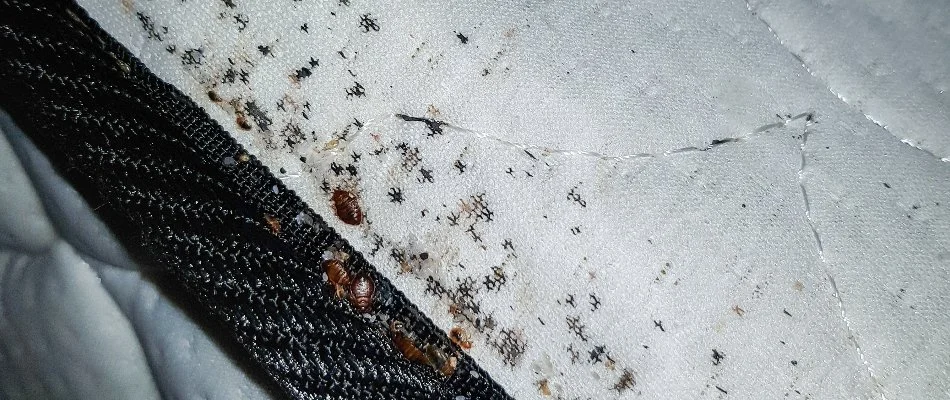
Technicians first visually examine the areas for any signs of bed bugs. Inspectors search for live bugs, molted skins, eggs, and fecal spots. Finding minor indications can prevent a larger outbreak.
Technicians may use monitoring devices to enhance detection accuracy. Magnifying tools and inspection mirrors help in examining difficult-to-reach spots. Some companies also utilize sticky traps or interceptor devices to monitor activity over time.
Some inspections involve trained bed bug dogs. Canines are trained to sniff out active bed bug populations in hidden spots. Using canines improves efficiency and reduces the chances of missed infestations.
Some Known Facts About Bed Bug Services.
Preparing the property helps inspectors conduct a thorough examination. Clutter removal and organizing personal items help inspectors access all areas. Beds, furniture folds, and baseboard edges are critical to inspect.
Inspectors meticulously check every layer and seam of bedding and upholstered furniture - Bed Bug Services. Inspectors move furniture and check beneath items for signs of bugs. Hidden spaces such as behind outlets, frames, and wall read here trim are checked
The Only Guide to Bed Bug Services
Post-inspection monitoring helps confirm results. Monitoring devices are set to track bed bug activity over time. Clients may need to observe and note any additional signs. Ongoing monitoring and cooperation improve treatment outcomes.
Hotels, dorms, and apartment complexes benefit greatly from expert inspections. Infestations can escalate quickly in communal living areas. Inspectors often examine multiple rooms, floors, and units to map the infestation completely.
Clients receive try this out a thorough plan for addressing detected infestations. Suggested steps often cover eradication, sanitation, and prevention. Adhering to expert guidance improves results.
A Biased View of Bed Bug Services
The process includes assessing the environment, examining potential hiding spots, employing detection methods, tracking activity, documenting findings, and providing a treatment plan. These steps ensure accurate detection, early intervention, and effective management. Professional inspections provide accurate assessment and a pathway to resolving infestations.